
Evidence brief library, page 12

Desk-reviewed evidence for staffing decisions

Compare roles, controls, and onboarding decisions with source context and practical operating guidance kept visibly separate.

291 briefsSource listsBuyer controls
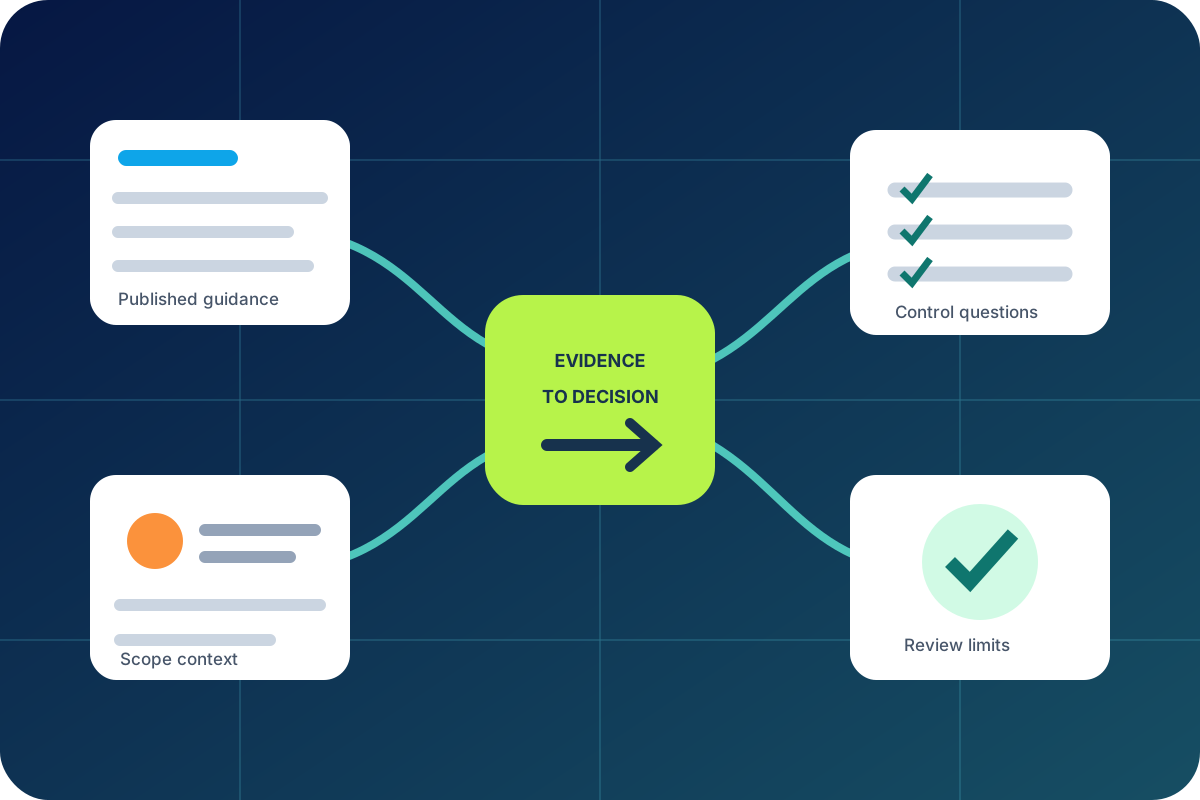
Published sources connected through an evidence map to a bounded operating decision

Research library

Read the evidence, limits, and operating questions together

These are desk reviews, not claims of original empirical research. Source counts describe each bibliography and do not prove provider performance.

Evidence brief illustration for Call Center Escalation Matrix Design: A Research Brief

Hiring controls

Call Center Escalation Matrix Design: A Research Brief

An escalation matrix turns ambiguous exceptions into a repeatable ownership decision. NIST governance and incident guidance support defined triggers, roles, communication paths, and recovery decisions; they do not prescribe one universal severity scale.

6 min read10 sources
Read brief
Evidence brief illustration for Call Center After-Call Work Controls: A Research Brief

Scope benchmarks

Call Center After-Call Work Controls: A Research Brief

After-call work is part of the customer record, not an invisible productivity tax. ISO 18295 emphasizes defined processes and results, while NIST privacy guidance supports collecting only the information needed for the approved purpose.

6 min read10 sources
Read brief
Evidence brief illustration for Call Center Workforce Forecast Inputs: A Research Brief

Workflow design

Call Center Workforce Forecast Inputs: A Research Brief

A staffing forecast is only as defensible as its definitions and inputs. Contact-center process guidance supports measuring demand and outcomes, while labor guidance warns against treating an operational model as a substitute for employment review.

6 min read10 sources
Read brief
Evidence brief illustration for Call Center Customer Consent Records: A Research Brief

Workflow design

Call Center Customer Consent Records: A Research Brief

Consent is useful only when its scope, channel, time, and withdrawal path can be understood later. FTC and FCC guidance make outbound calling controls jurisdiction-sensitive, so a vendor workflow needs a client-approved record and suppression process.

6 min read10 sources
Read brief
Evidence brief illustration for Call Center Vendor Access Review: A Research Brief

Scope benchmarks

Call Center Vendor Access Review: A Research Brief

Access review is a recurring control because queue scope, people, systems, and client responsibilities change. NIST Zero Trust and PCI DSS materials support named identities, least privilege, evidence, and prompt removal of unnecessary access.

6 min read10 sources
Read brief
Evidence brief illustration for Call Center Service Recovery Handoffs: A Research Brief

Workflow design

Call Center Service Recovery Handoffs: A Research Brief

Service recovery needs a clear promise and authority boundary so an agent can acknowledge impact without inventing compensation or policy. ISO 18295 emphasizes customer outcomes, while NIST governance supports documented ownership and exception handling.

6 min read10 sources
Read brief
Evidence brief illustration for Call Center Data Export Requests: A Research Brief

Hiring controls

Call Center Data Export Requests: A Research Brief

An export request can combine customer service, privacy, security, and retention risks. NIST Privacy Framework and Zero Trust guidance support purpose limitation, authorization, controlled handling, and a traceable decision before data leaves its system of record.

6 min read10 sources
Read brief
Evidence brief illustration for Call Center Supervisor Span of Control: A Research Brief

Scope benchmarks

Call Center Supervisor Span of Control: A Research Brief

Supervisor capacity is a risk-control input because coaching, access decisions, escalations, and continuity all require timely ownership. ISO 18295 supports defined workforce and process responsibilities; it does not set one universal manager-to-agent ratio.

6 min read10 sources
Read brief
Evidence brief illustration for Call Center Queue Pause Criteria: A Research Brief

Hiring controls

Call Center Queue Pause Criteria: A Research Brief

A pause rule protects customers when the evidence for safe continuation is missing. NIST incident and governance frameworks support defined thresholds, decision ownership, and recovery actions, while ISO 18295 emphasizes controlled processes and results.

6 min read10 sources
Read brief
Evidence brief illustration for Call Center Queue Coverage: A Research Brief

Scope benchmarks

Call Center Queue Coverage: A Research Brief

Coverage is a control problem as well as a staffing problem. ISO 18295 frames contact-center service around customer experience, workforce, processes, and results, while NIST guidance emphasizes explicit risk ownership and access decisions.

6 min read10 sources
Read brief
Evidence brief illustration for Call Center Handoff Quality: A Research Brief

Workflow design

Call Center Handoff Quality: A Research Brief

A handoff is reliable when the next owner can act without reconstructing the conversation. NIST privacy and cybersecurity frameworks both favor documented responsibilities, outcomes, and repeatable response processes.

6 min read10 sources
Read brief
Evidence brief illustration for Customer Support Access Controls: A Research Brief

Hiring controls

Customer Support Access Controls: A Research Brief

NIST Zero Trust Architecture treats trust as something evaluated per request rather than inherited from network location. That supports narrow, named accounts for outsourced support instead of shared credentials or broad administrative access.

6 min read10 sources
Read brief
Evidence brief illustration for Call Recording Governance: A Research Brief

Scope benchmarks

Call Recording Governance: A Research Brief

Recordings can contain personal, payment, and authentication data. NIST Privacy Framework and PCI DSS materials support purpose limitation, controlled access, retention decisions, and protection of sensitive data; a recording policy must also account for jurisdiction-specific rules.

6 min read10 sources
Read brief
Evidence brief illustration for Call Center Phishing Escalation: A Research Brief

Workflow design

Call Center Phishing Escalation: A Research Brief

CISA describes phishing as a social-engineering risk, and NIST identity guidance supports independent verification rather than trusting the channel that made the request. Agents need a pause-and-escalate rule, not a mandate to investigate intent.

6 min read10 sources
Read brief
Evidence brief illustration for Payment Call Handling Controls: A Research Brief

Hiring controls

Payment Call Handling Controls: A Research Brief

PCI DSS is designed to protect payment account data and its document library provides the governing standard and supporting guidance. Outsourcing a call task does not remove the merchant's responsibility to define the card-data environment and approved handling method.

6 min read10 sources
Read brief
Evidence brief illustration for Outbound Appointment Calls: A Research Brief

Scope benchmarks

Outbound Appointment Calls: A Research Brief

The FTC Telemarketing Sales Rule and FCC consumer guidance show why consent, identification, time-of-day, do-not-call, and opt-out handling must be explicit in outbound workflows. The sources do not create one universal script for every jurisdiction.

6 min read10 sources
Read brief
Evidence brief illustration for Call Center QA Sampling: A Research Brief

Workflow design

Call Center QA Sampling: A Research Brief

ISO 18295 links contact-center performance to defined processes and results. NIST risk frameworks support repeatable measurement and improvement, but neither source endorses a single sample size or scorecard.

6 min read10 sources
Read brief
Evidence brief illustration for Call Center Incident Response: A Research Brief

Hiring controls

Call Center Incident Response: A Research Brief

NIST CSF 2.0 organizes cybersecurity work around Govern, Identify, Protect, Detect, Respond, and Recover. That structure supports a small queue-level incident card and clear ownership without asking frontline agents to perform security investigations.

6 min read10 sources
Read brief
Evidence brief illustration for Call Center Schedule Handoffs: A Research Brief

Scope benchmarks

Call Center Schedule Handoffs: A Research Brief

The FLSA establishes U.S. federal wage-and-hour requirements for covered workers; it is not a universal staffing calculator and does not answer every cross-border employment question. A schedule therefore needs both service coverage logic and a responsible employer or client review.

6 min read10 sources
Read brief
Evidence brief illustration for Call Center Script Change Control: A Research Brief

Workflow design

Call Center Script Change Control: A Research Brief

NIST frameworks emphasize governance, documented controls, and continuous improvement. A script change can alter privacy, payment, consent, or escalation behavior, so publishing wording without an owner and effective date creates avoidable risk.

6 min read10 sources
Read brief

Desk-review method and limits

Each brief lists the sources consulted, makes assumptions visible, and separates sourced facts from editorial recommendations. A listed source count describes the bibliography. It is not a claim of original empirical research, a legal opinion, or proof that one provider will achieve a particular result.